GALLERY
もうひとつの臓器
“食べるように理解する技術”のプロトタイピング
主観的、非言語的なリサーチは、どのようにつくり、伝えられるか
ヨコク研究所、MUESUM、吉勝制作所は、「ヨコク」「自律」「協働」といった言葉を手がかりに、採集的なリサーチ手法を考えた。
ここでいう採集とは、あらかじめ目的や答えを定め、必要な情報だけを集めることではない。メンバーそれぞれの実体験や、偶然現れた話題、何の役に立つかわからない断片に反応しながら、つくる、考える、話すことを繰り返し、そこから問いや目的を見つけていく方法である。
このリサーチで重視したのは、正しい答えを早く導き出すことよりも、一人ひとりが自分の経験や身体感覚を手がかりに、思考し、省察し、反芻する過程だった。外から得た情報だけで対象を理解するのではなく、自分が何に反応し、それをどのように受け取ったのかを含めて考える、主観的なリサーチの方法である。
また、リサーチ手法を考えることと、それを他者に伝えることを分けずに進めた。
「つくることを通して考える」「ものごとを非言語的に理解する」という方針に対して、言葉だけで説明しようとすると、身体感覚や個人的な経験を含む理解の過程がこぼれ落ちてしまう。そこで、主観的、非言語的なリサーチ手法を、制作を通して考え、同じく非言語的な表現によって伝えるための媒体として、アニメーション映画を選んだ。
アニメーションであれば、意味をひとつの答えに固定せず、物語、動き、形、色、物質、音を通して考えを伝えることができる。また、受け手がそれぞれの経験や視点から作品を受け取り、自分なりに考える余地を残すことができる。
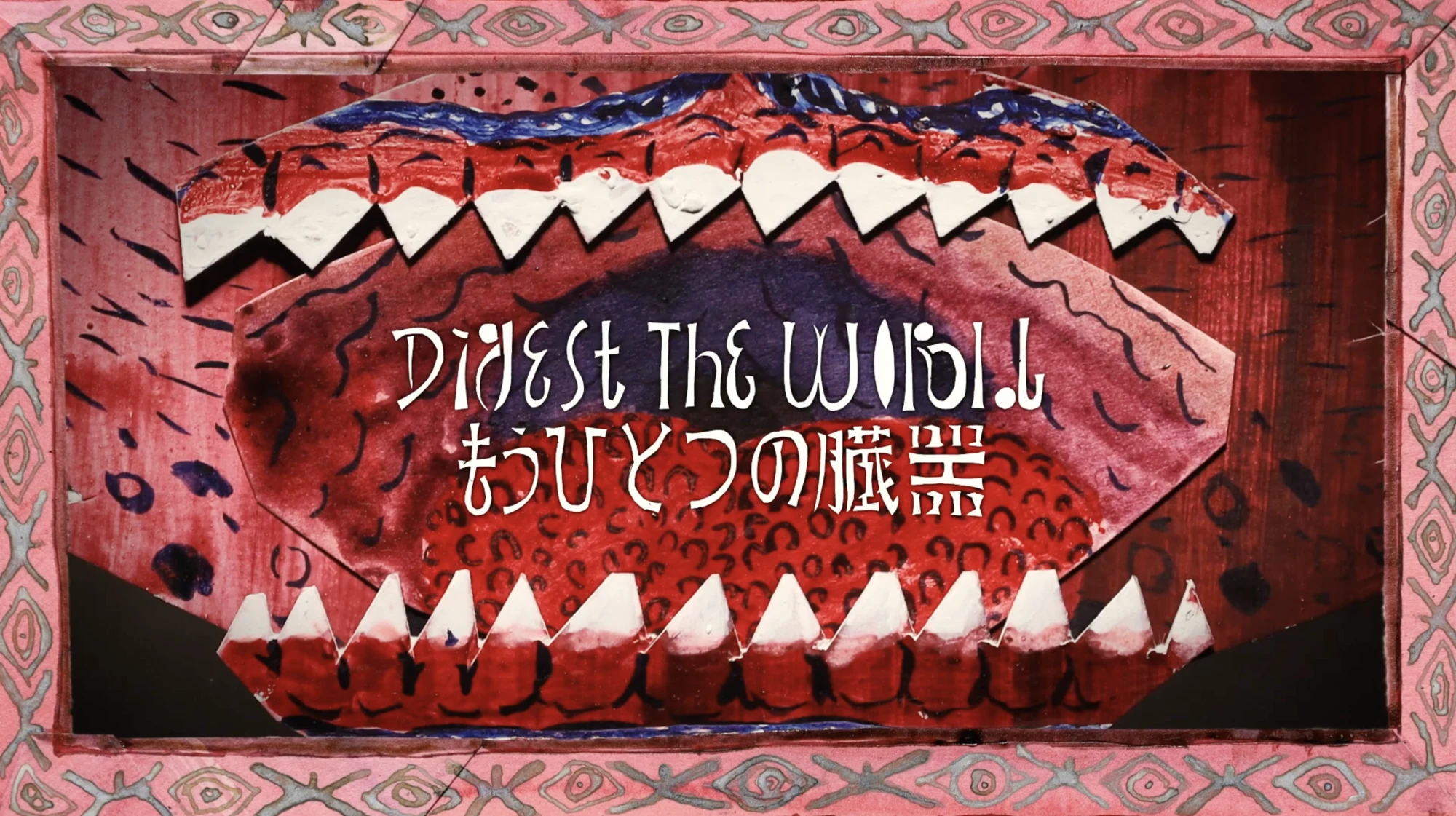
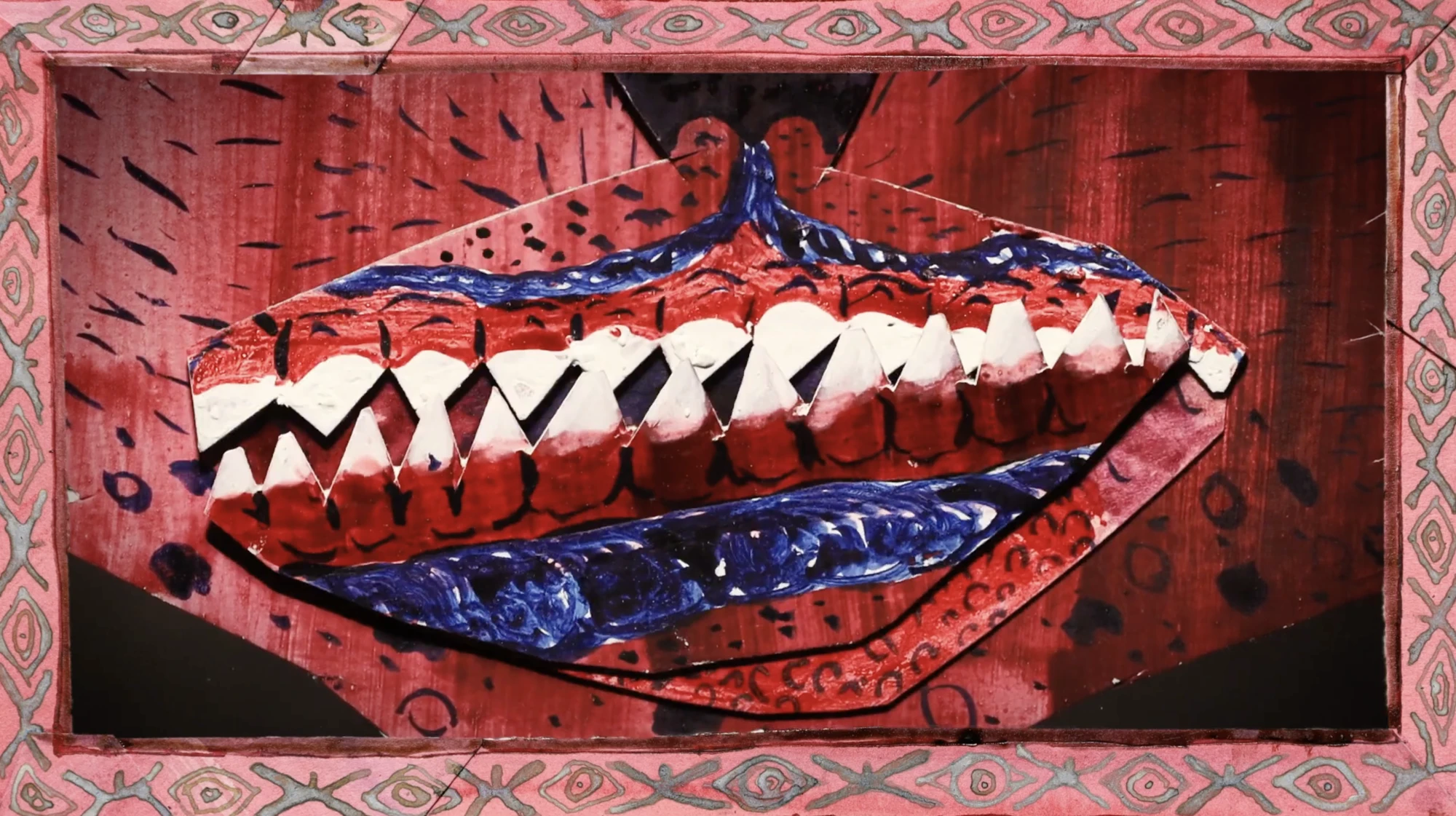
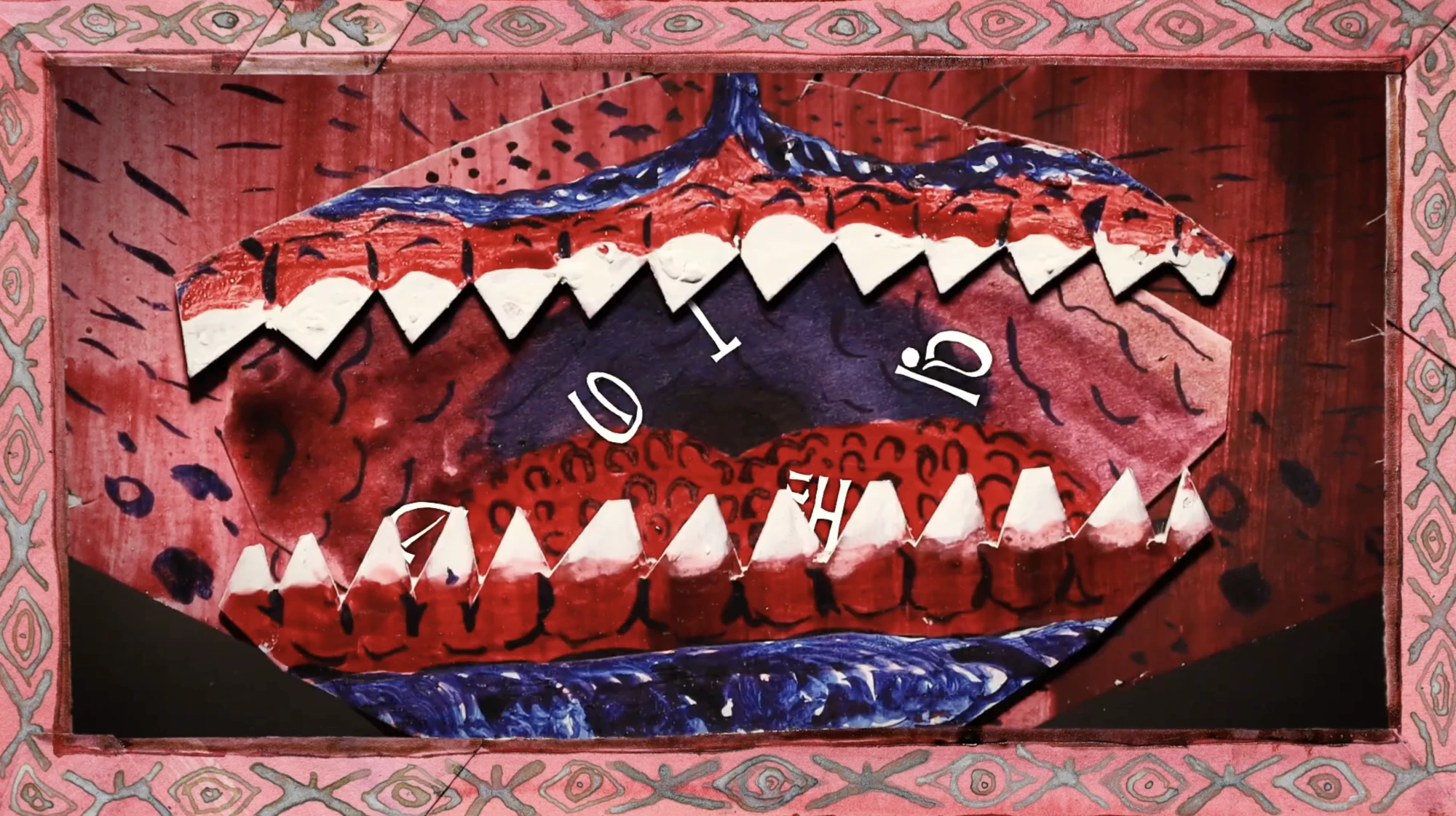
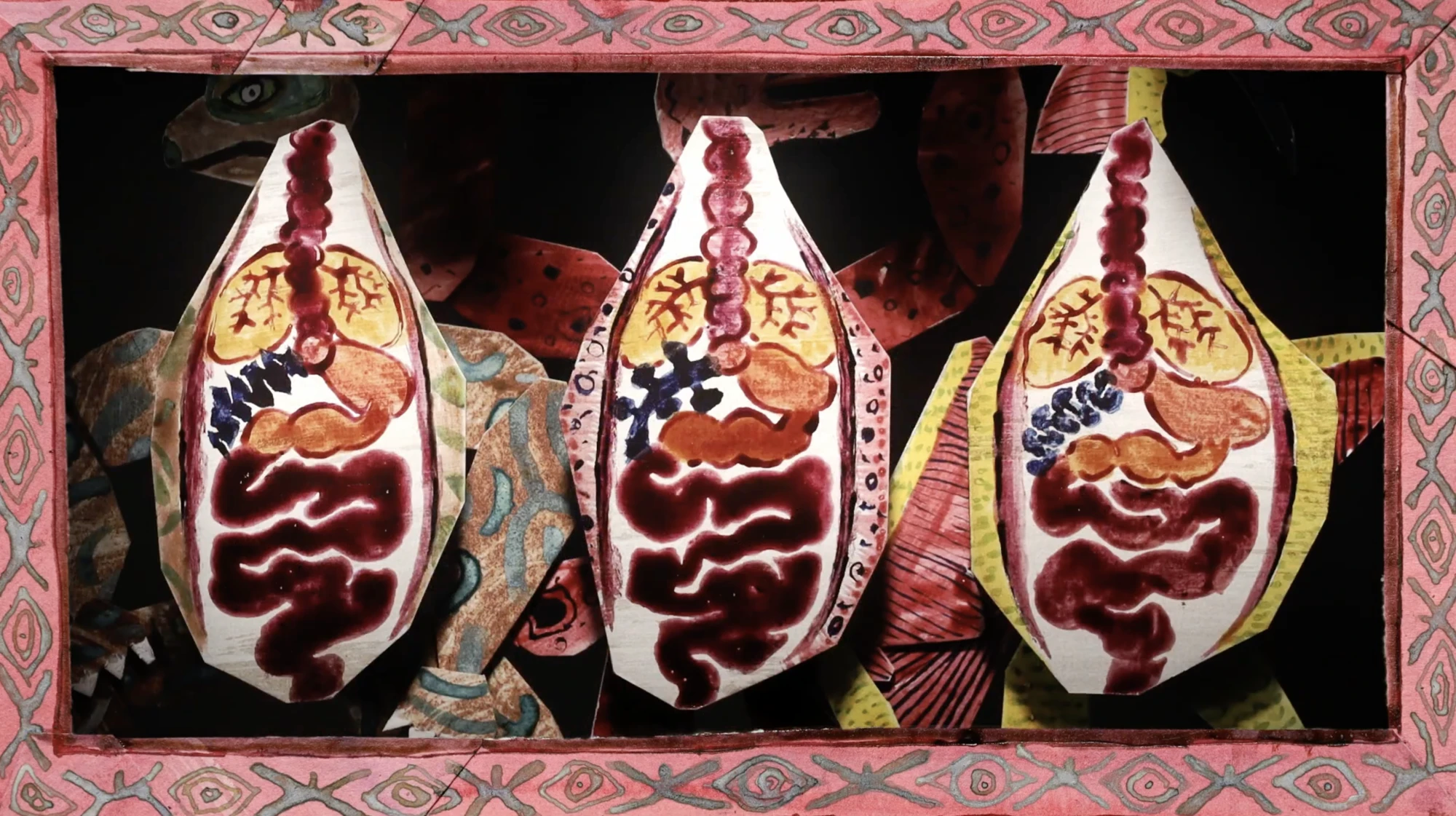
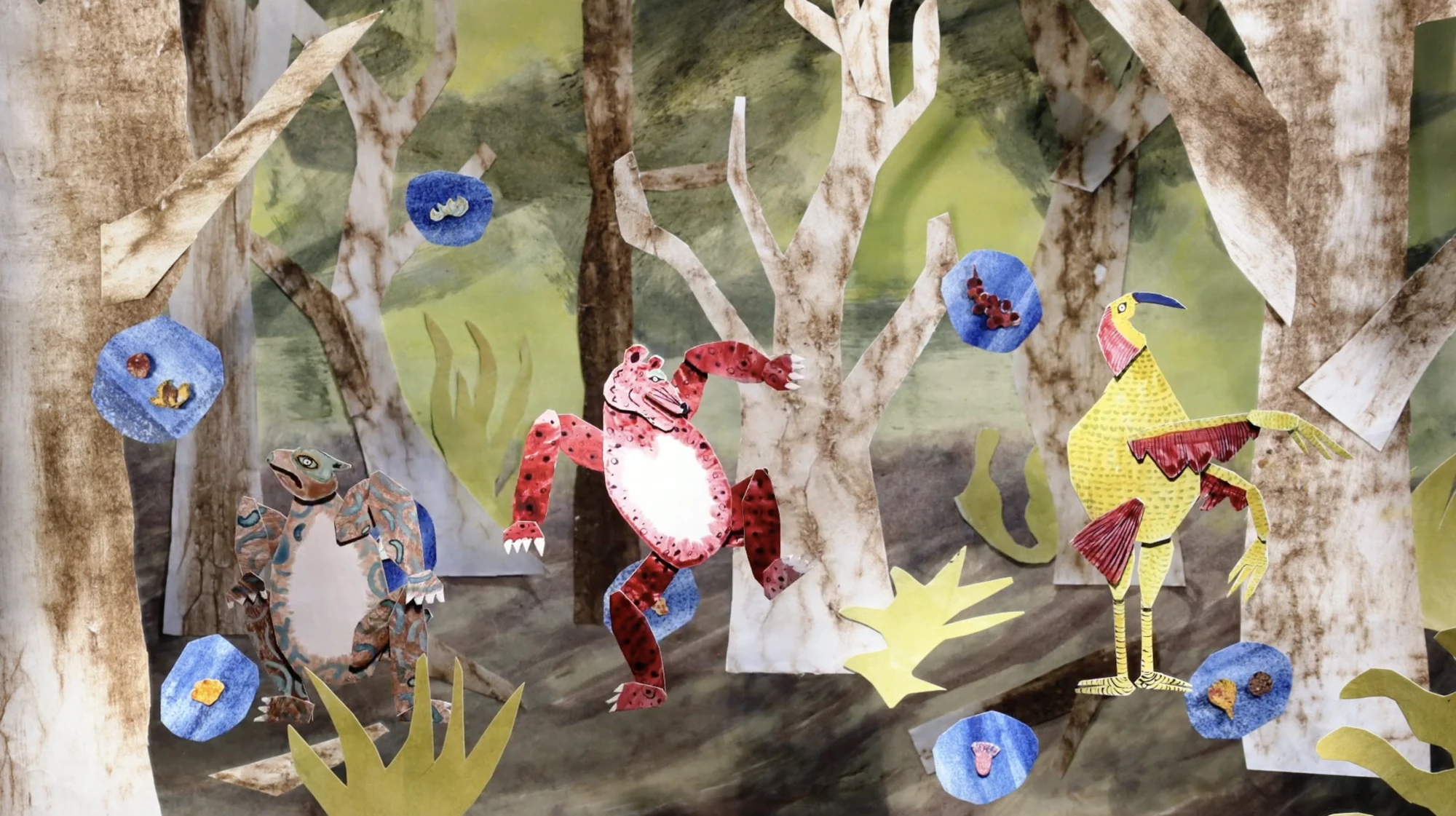
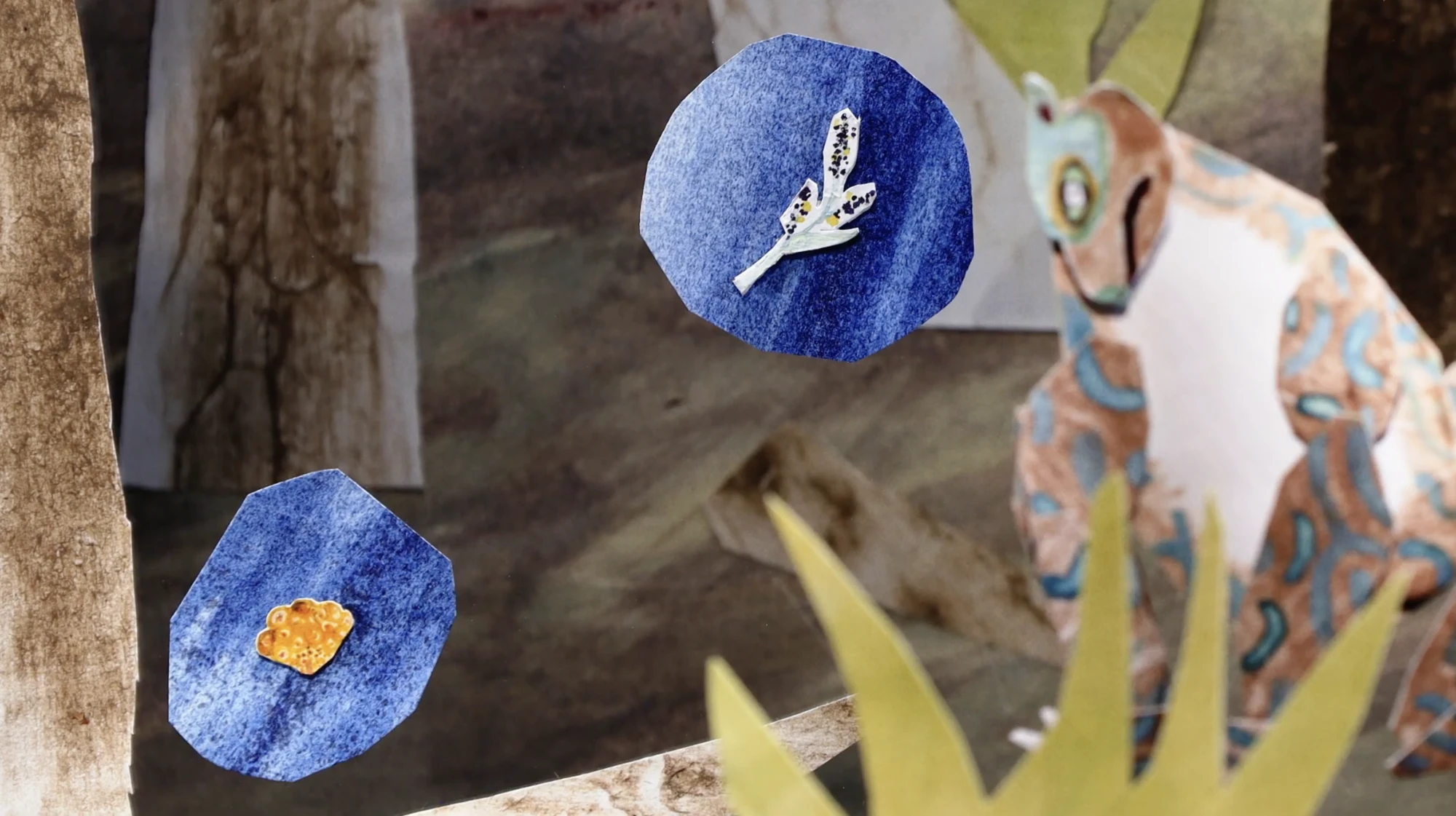
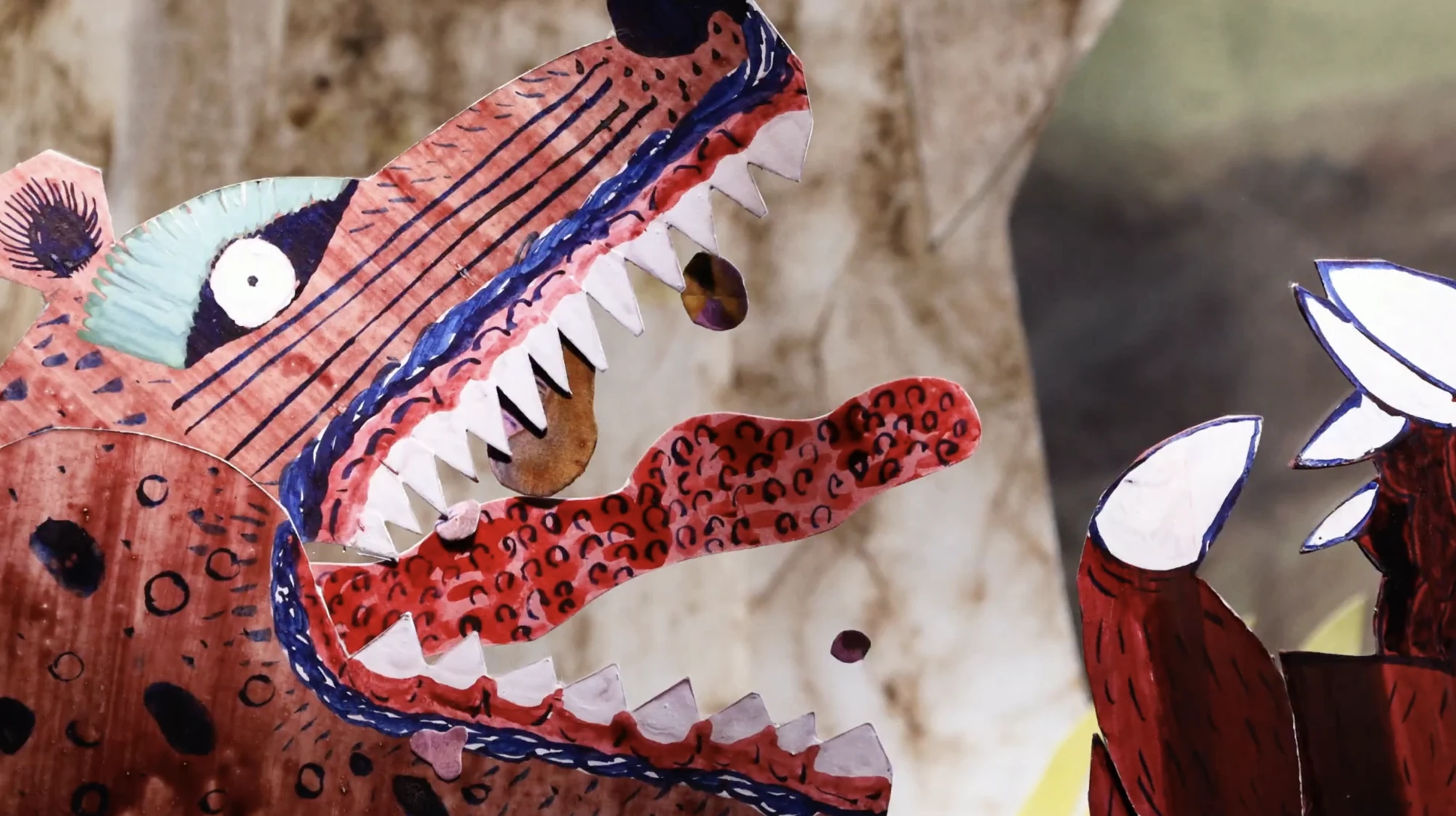
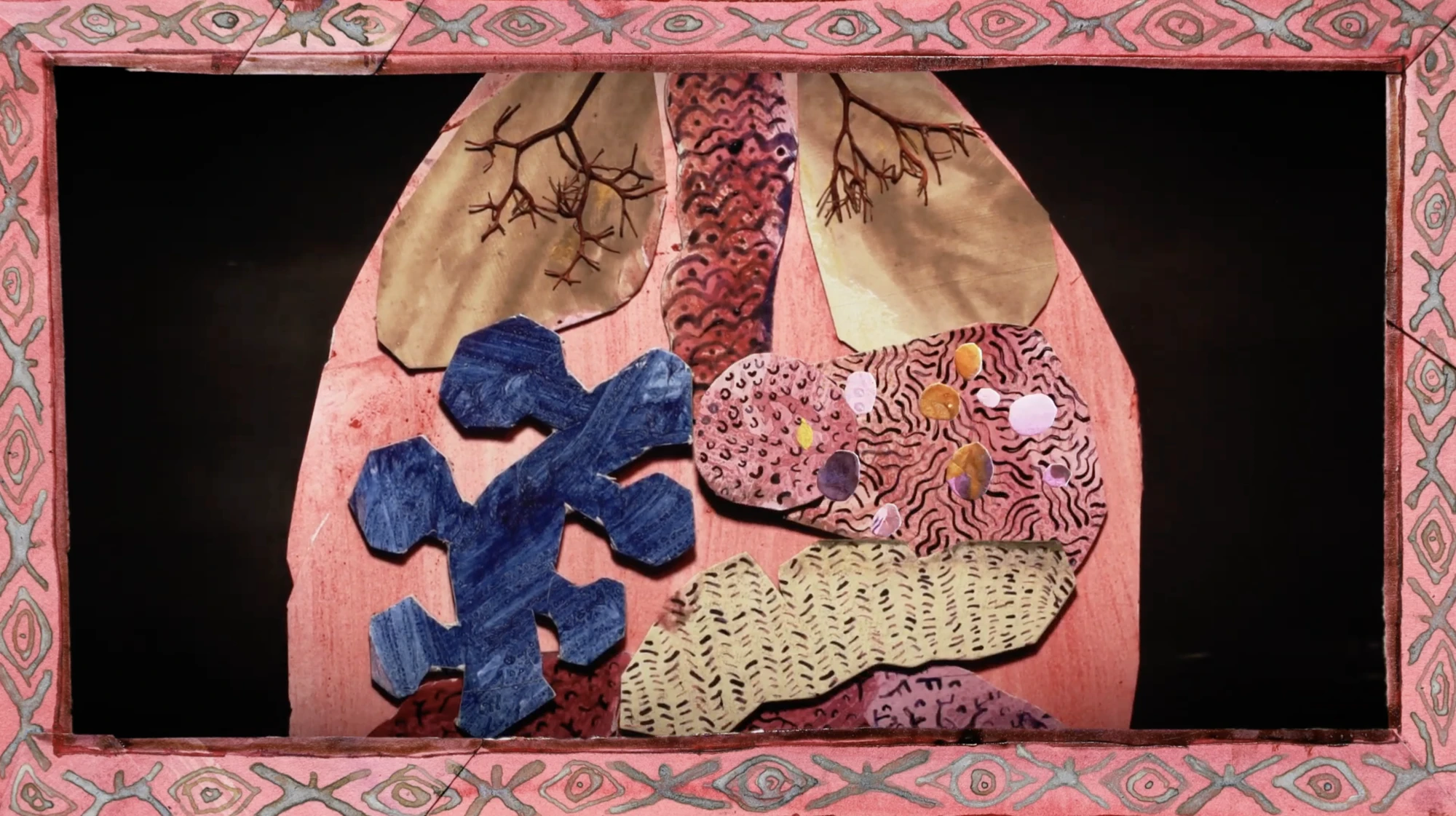
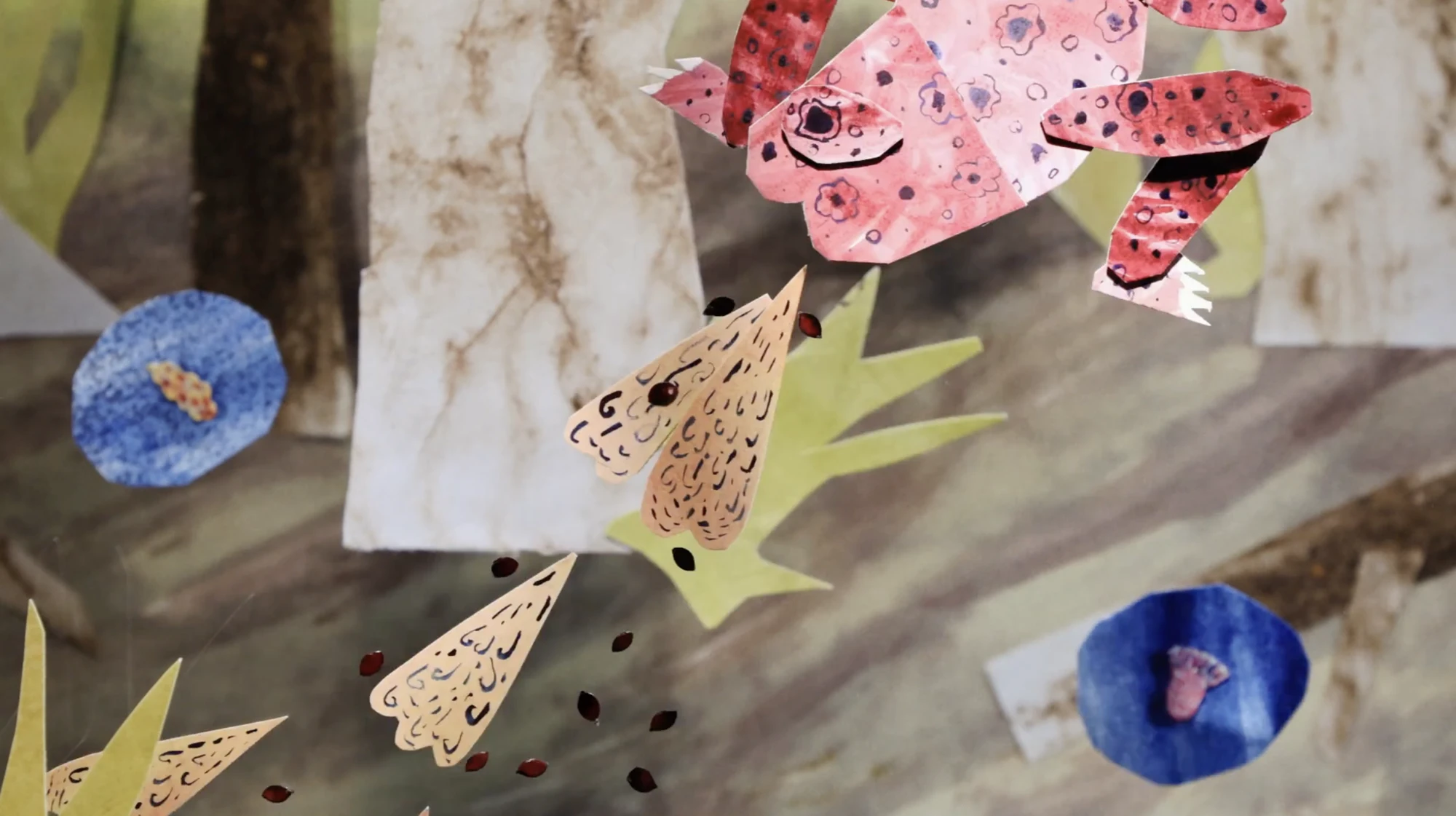
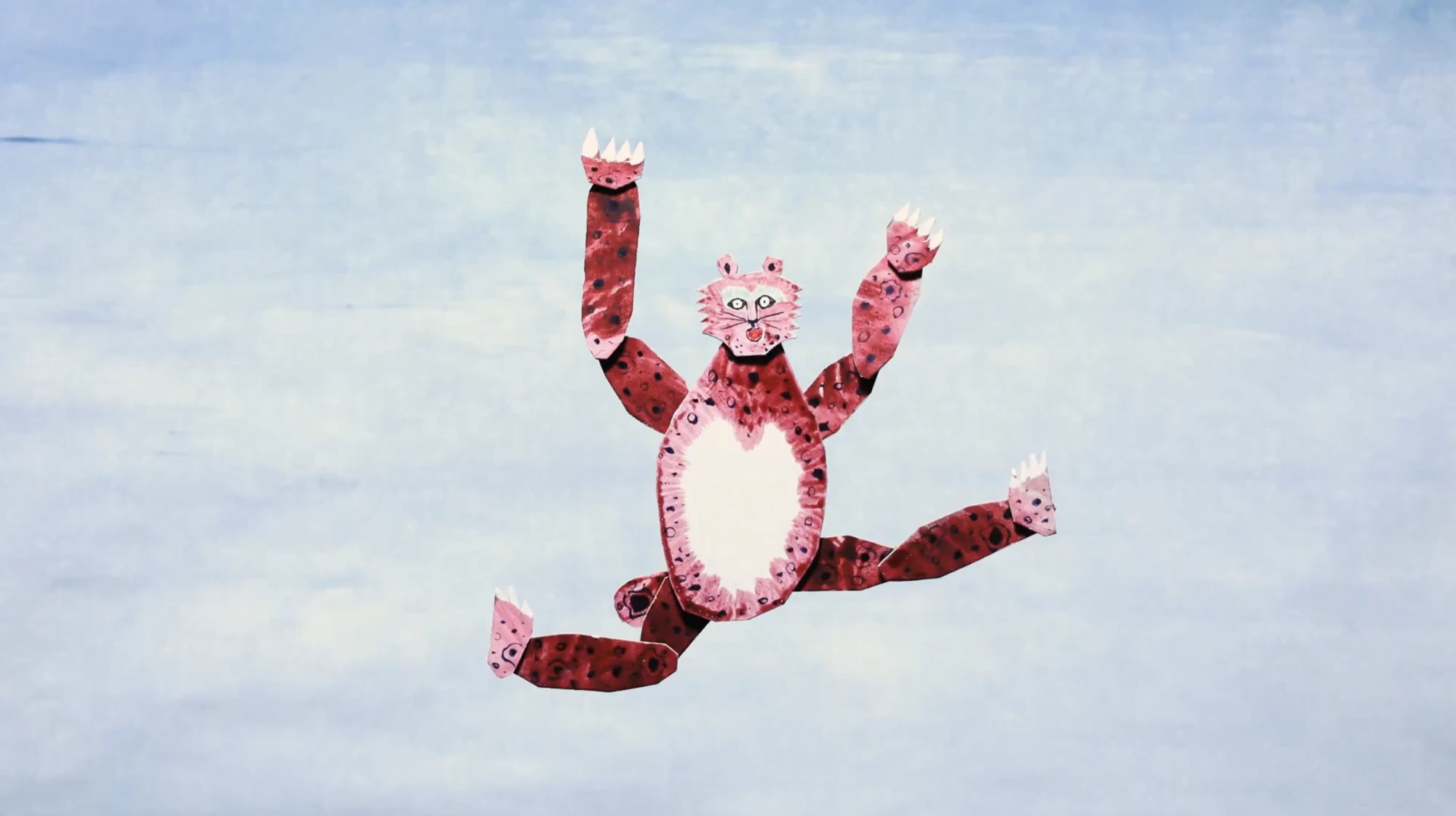
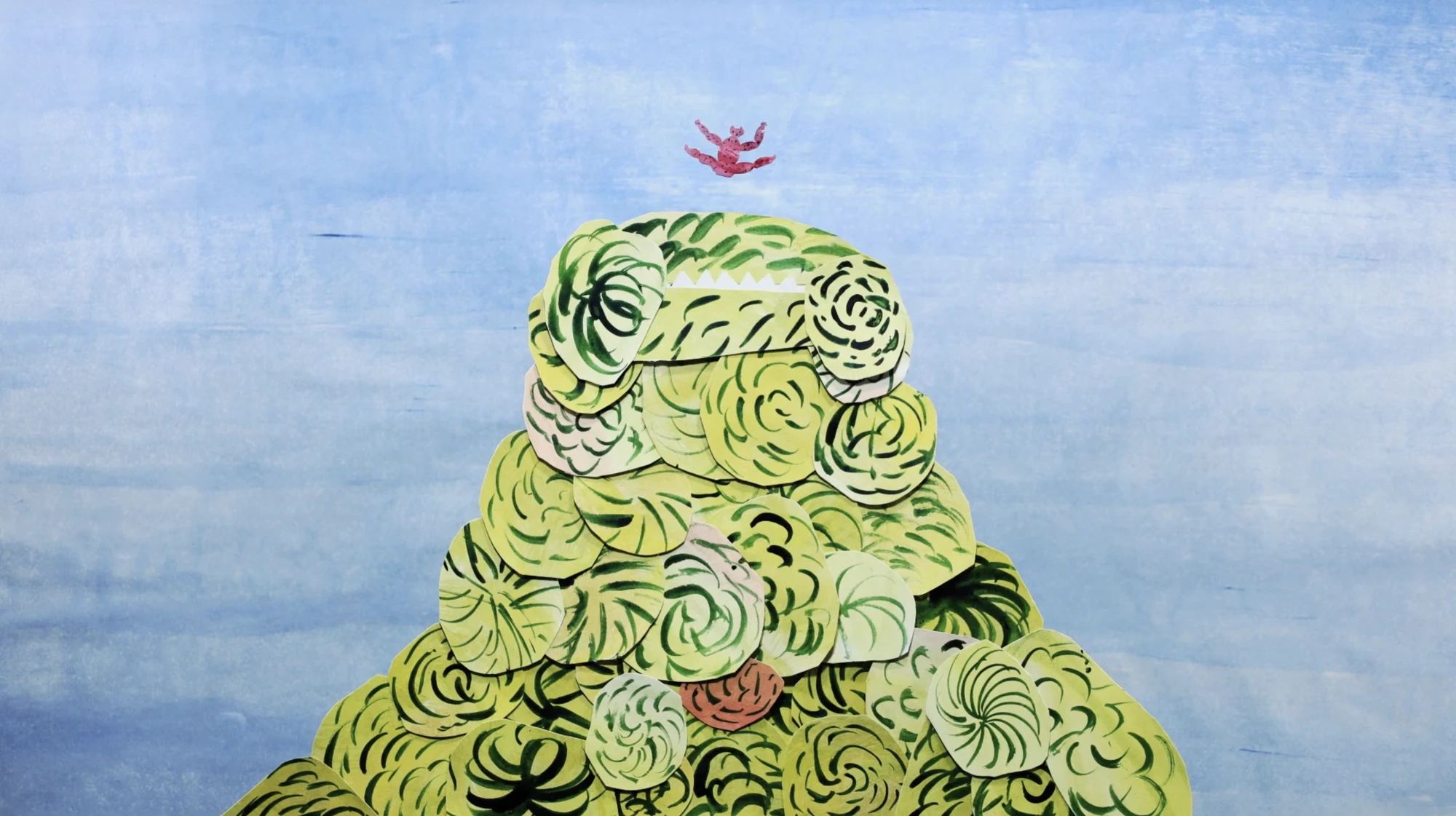
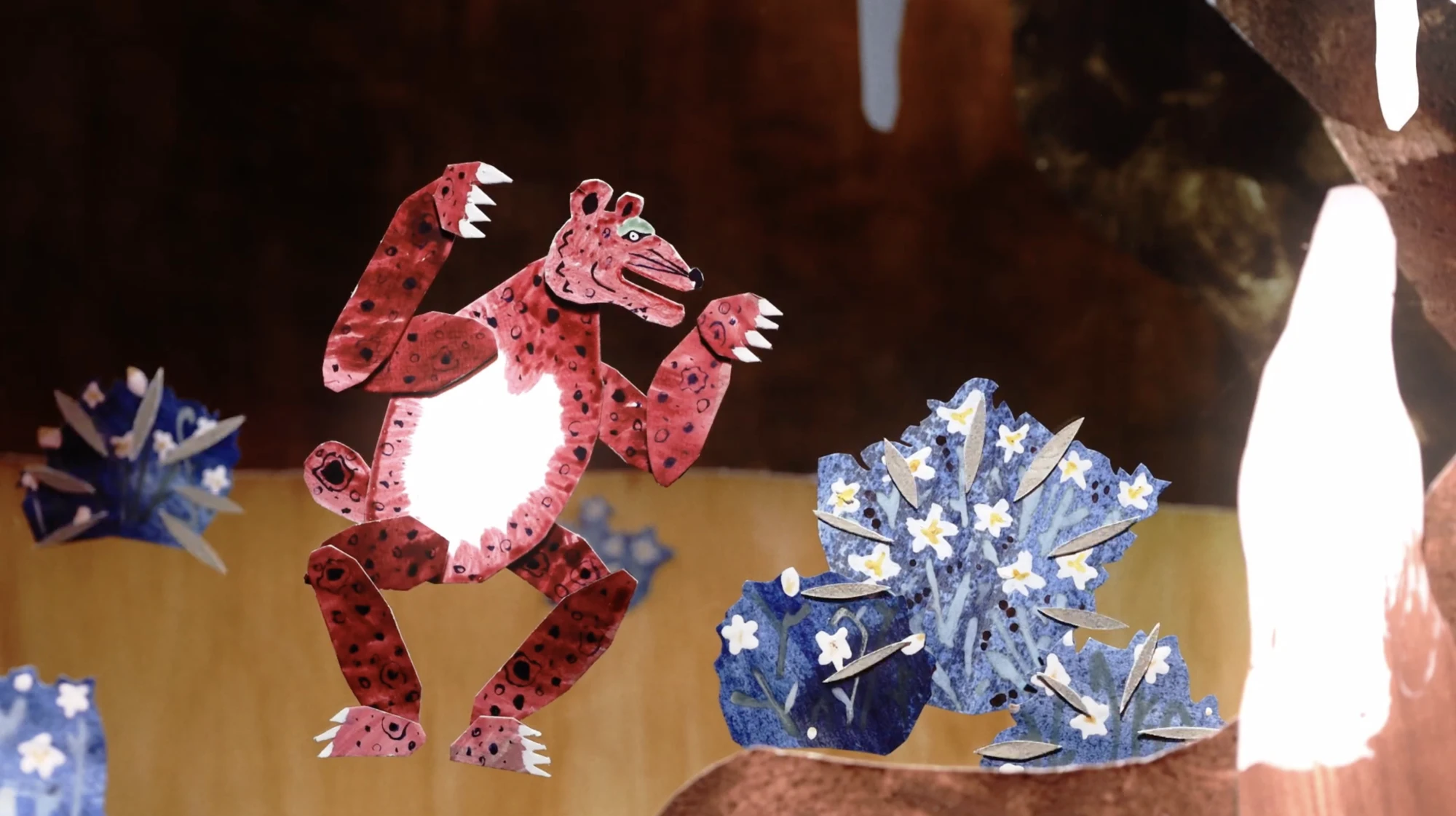
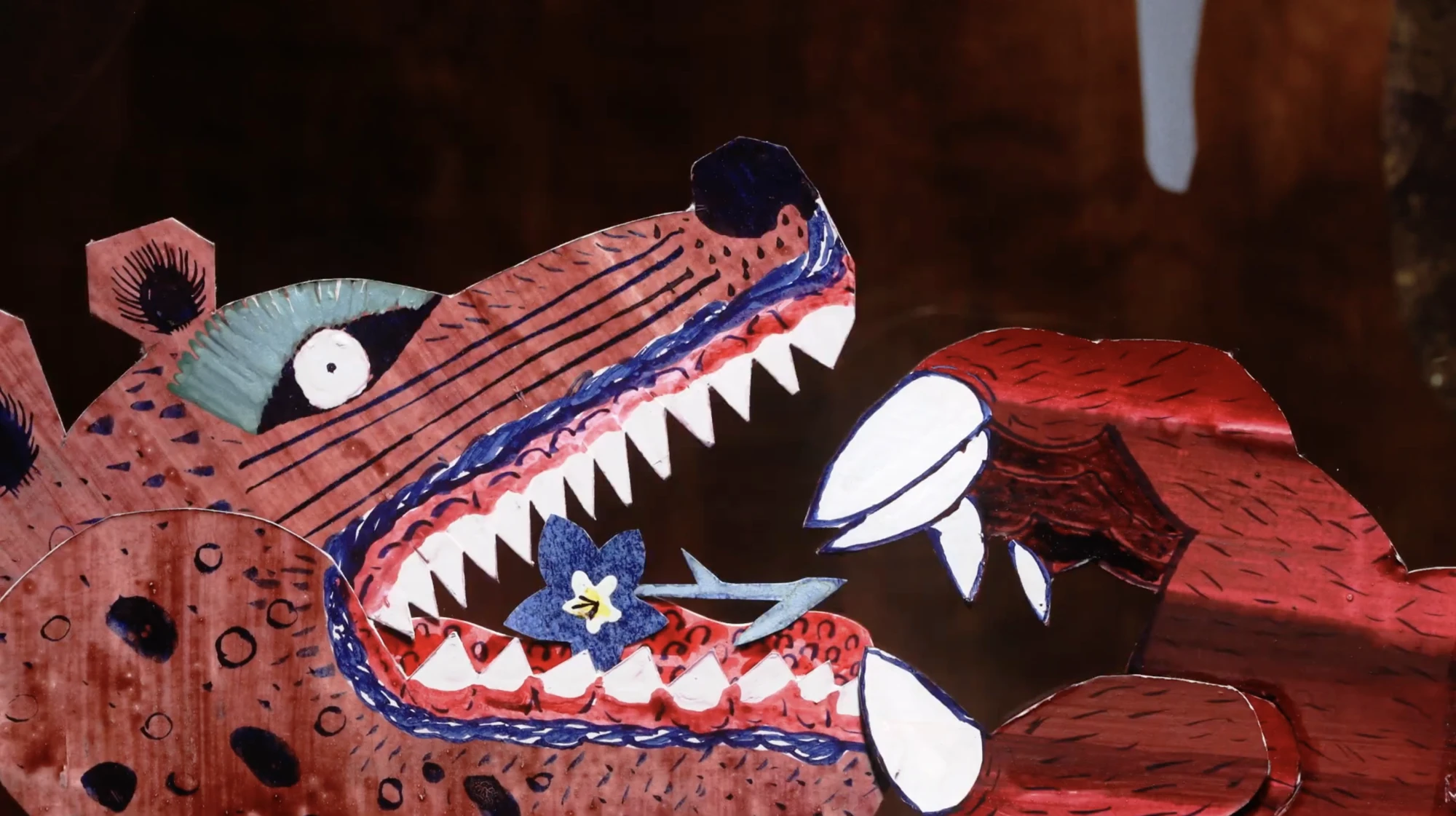
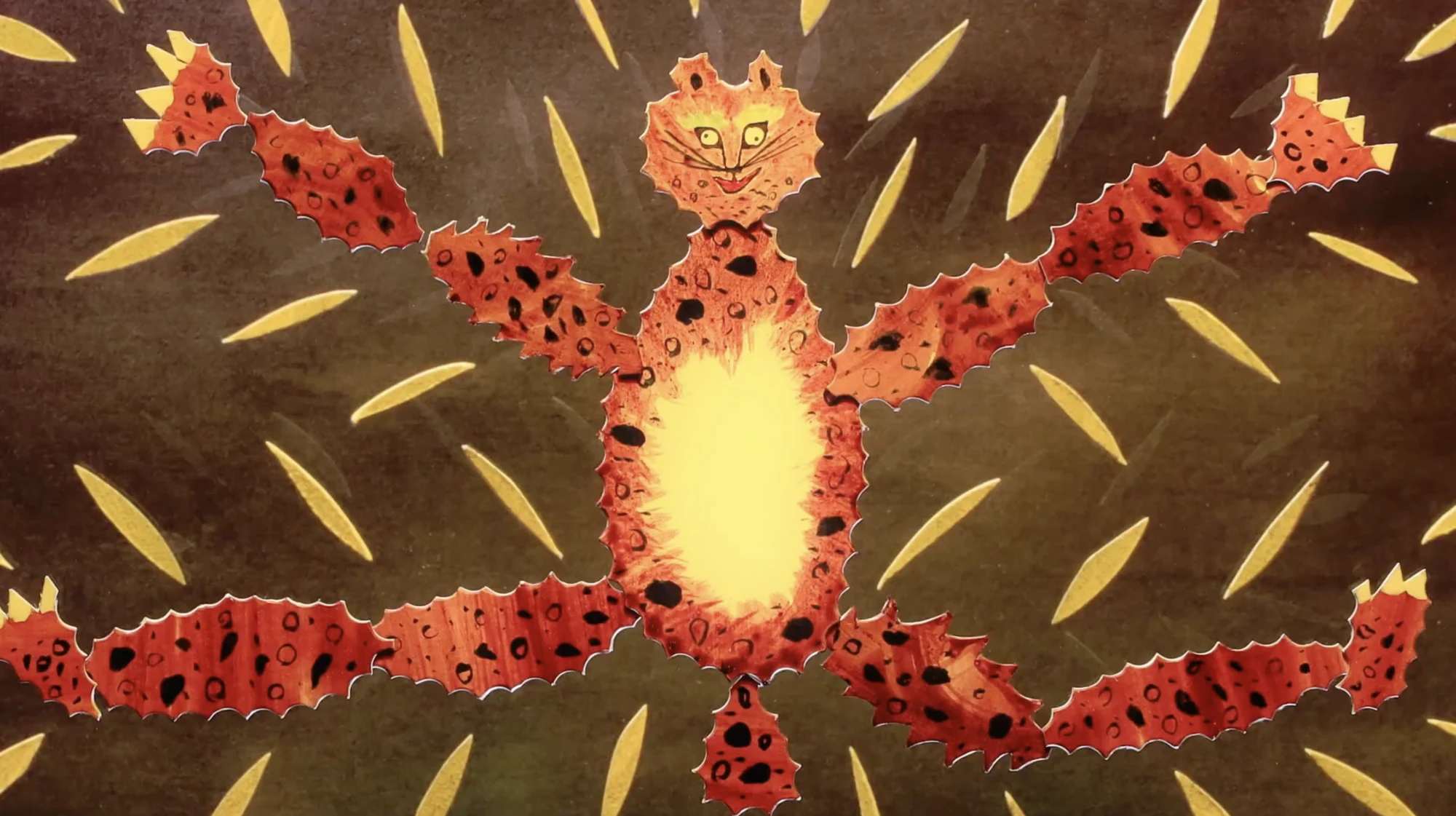
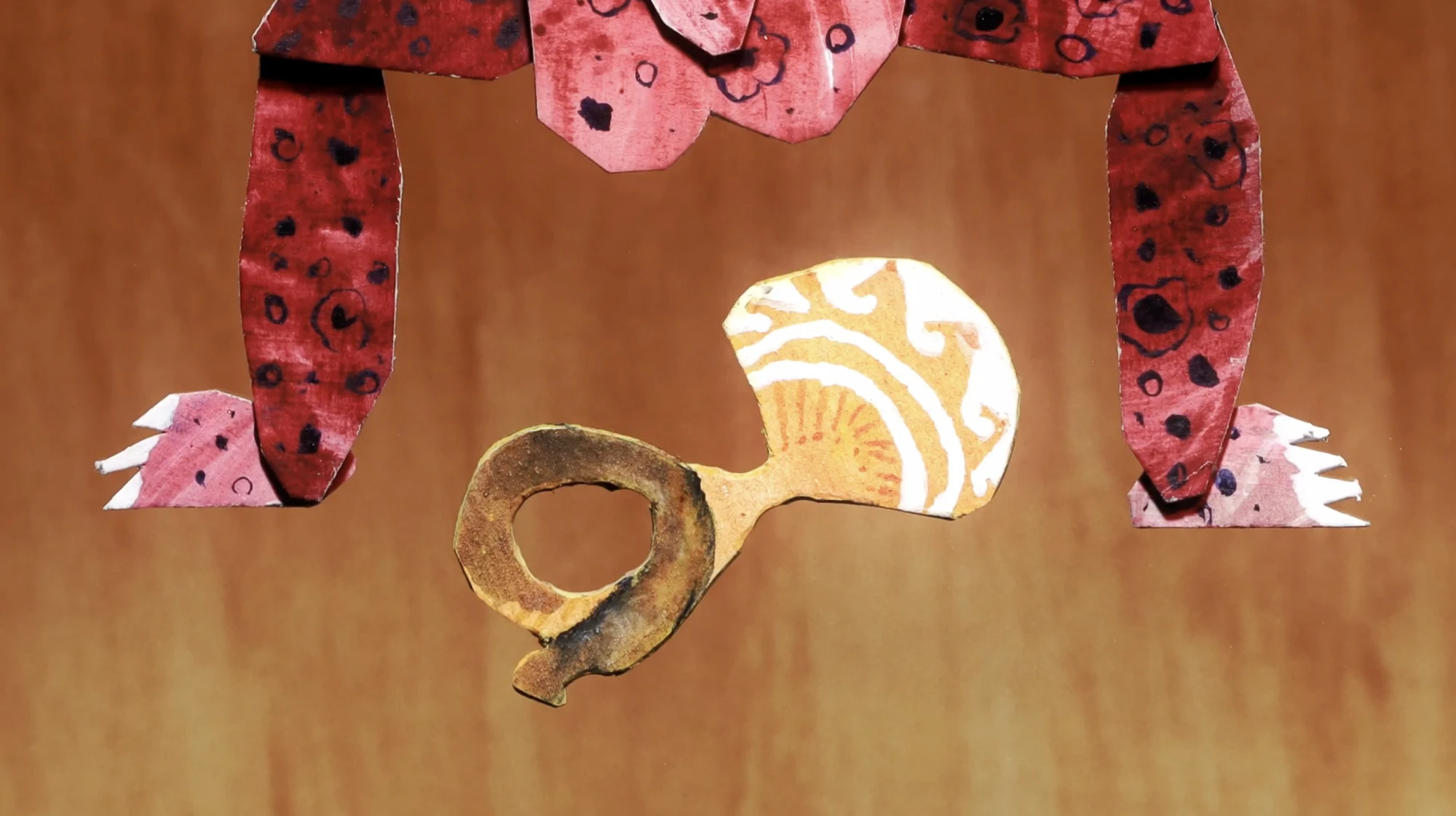
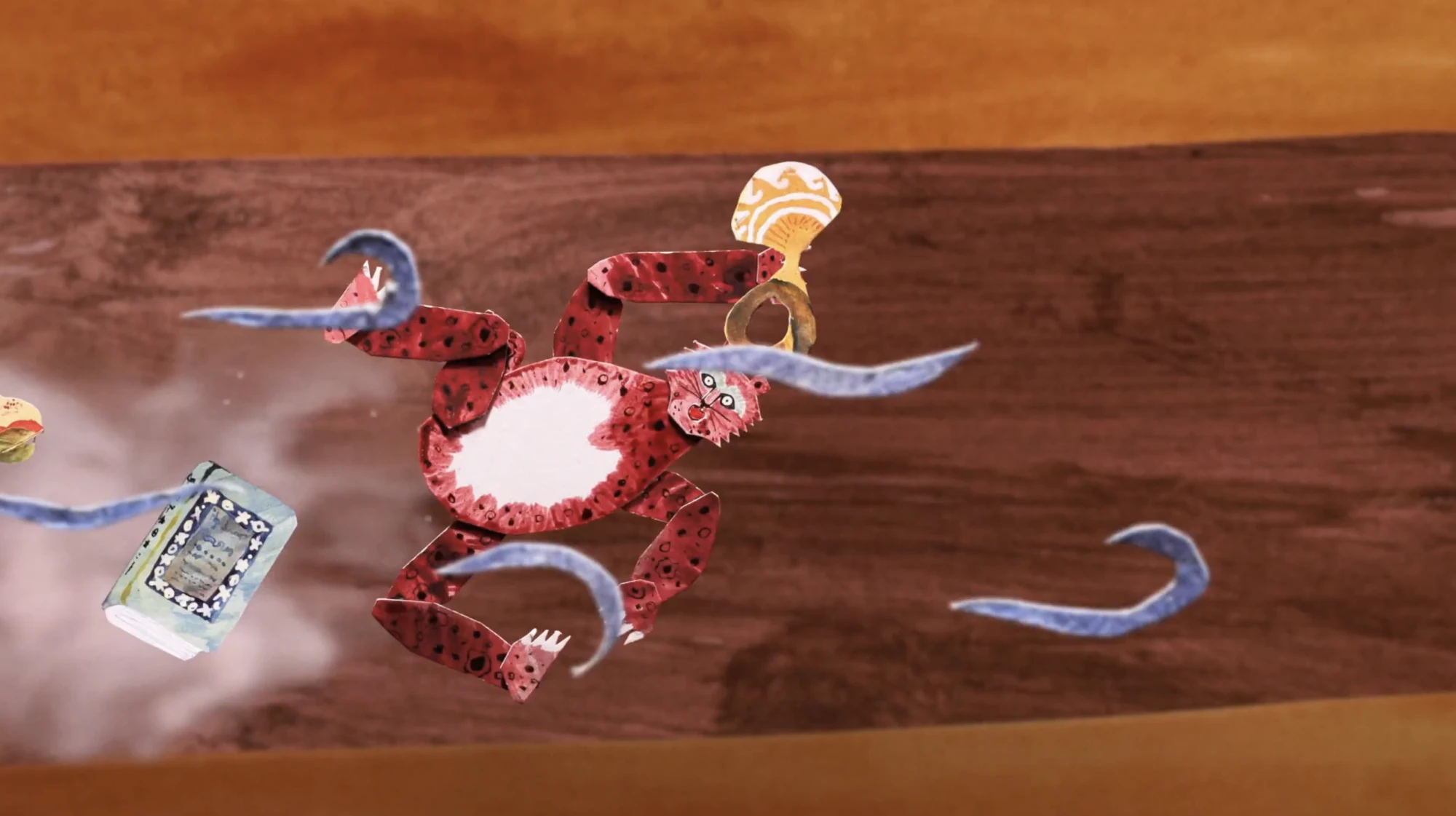
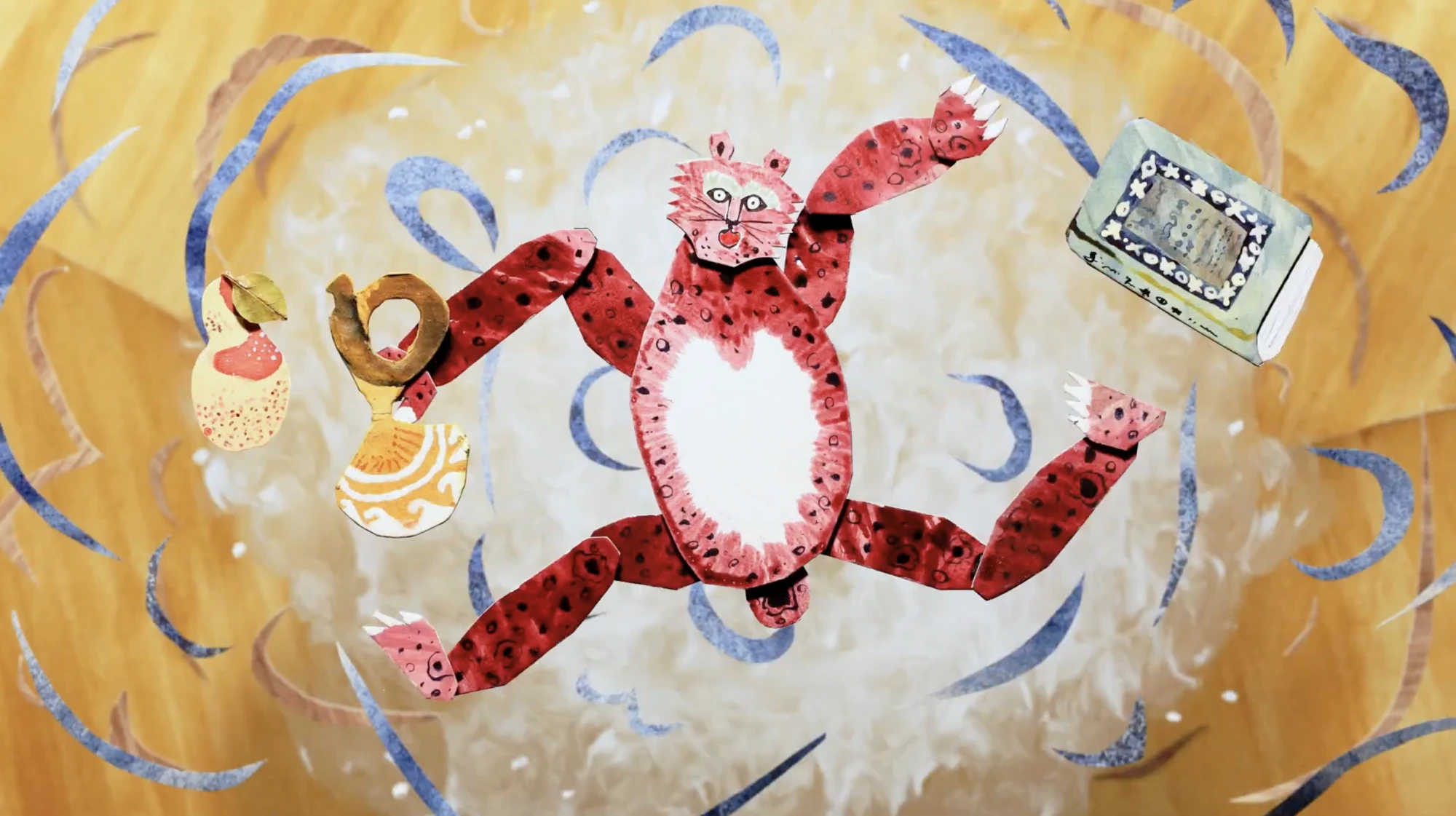
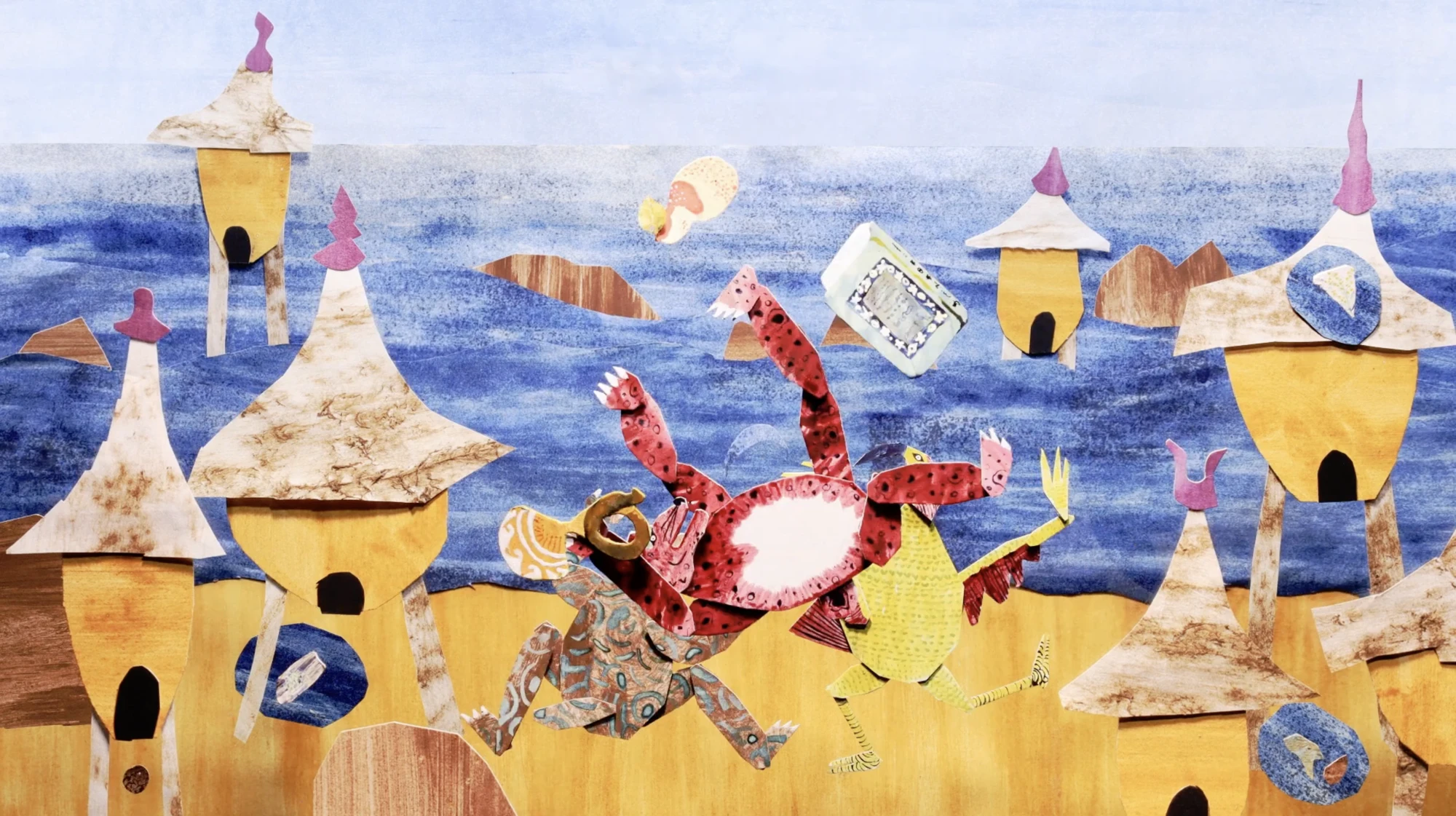
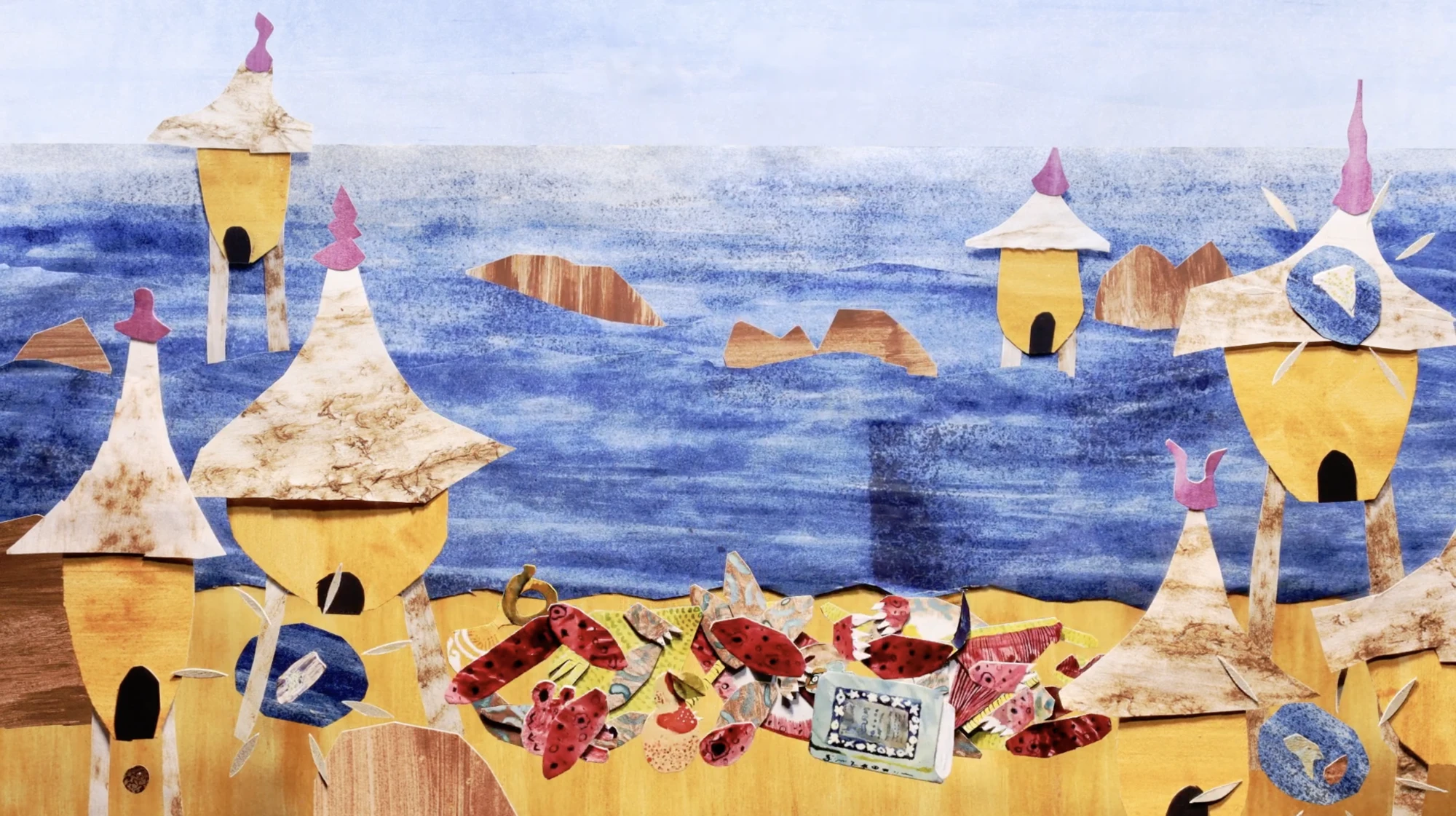
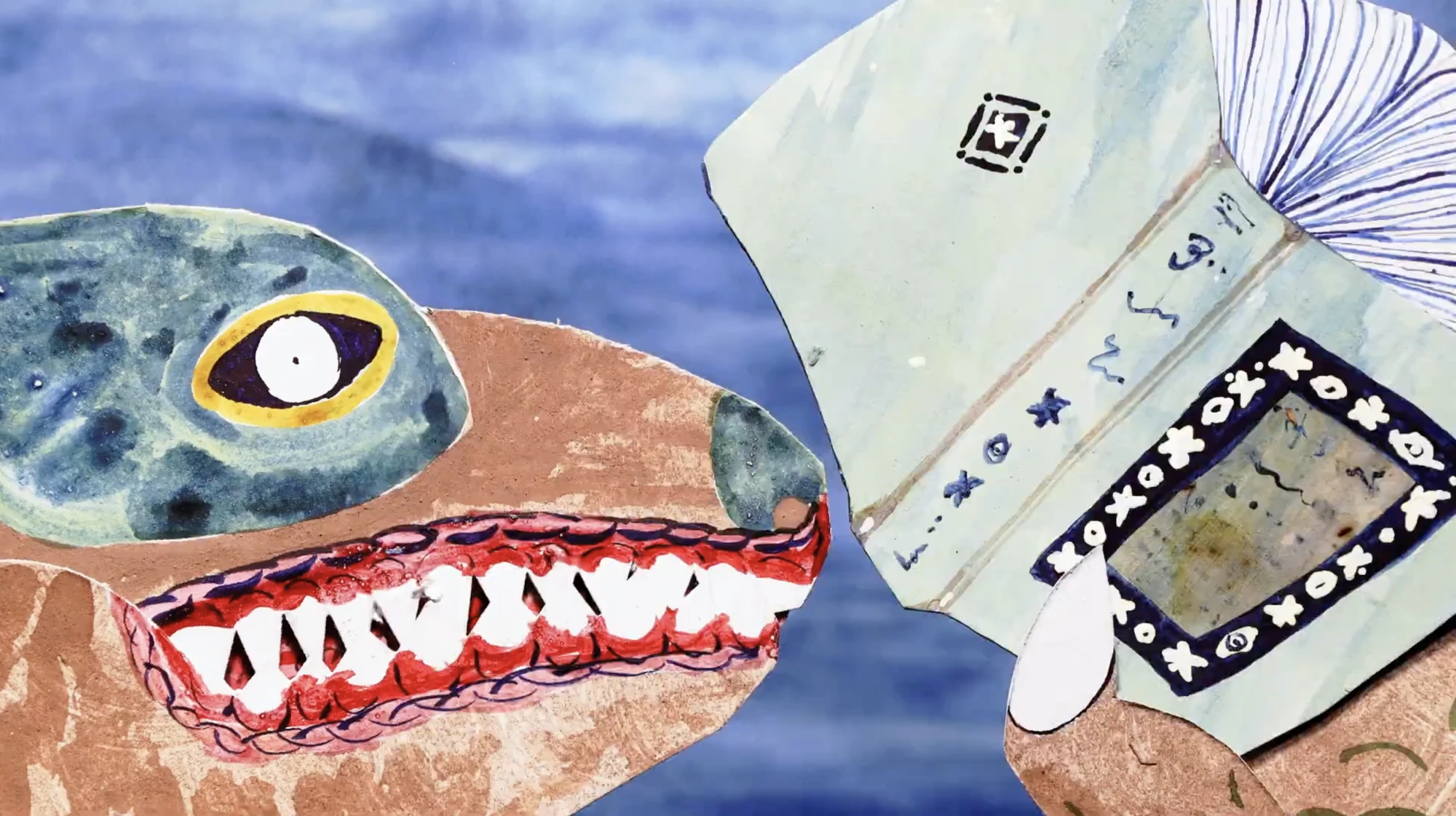
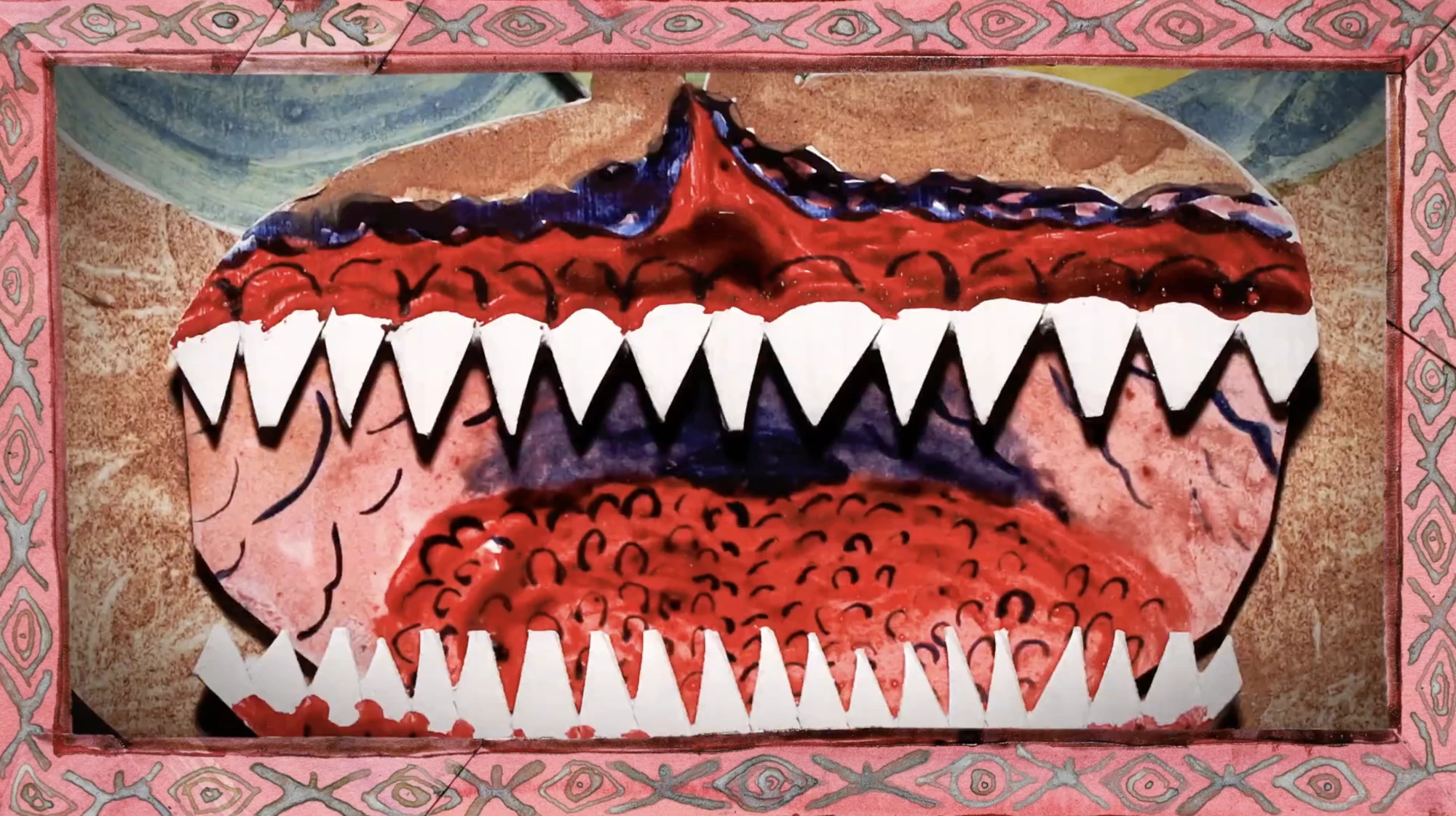
物語の住人たちは、人間にはない「もうひとつの臓器」を持っている。住人たちは、身のまわりにあるものを食べることで世界を知覚し、「もうひとつの臓器」で消化する。消化されたものは、空を飛ぶ力や道具、果物、別の誰かにとっての兆しとなって、再び外へ出ていく。
外から得たものをそのまま情報として保持するのではなく、身体を通して受け取り、自分なりに咀嚼し、別のものへ変えて外へ出す。それが他者に受け取られ、次の出来事につながっていく。物語には、採集によって世界を理解し、それぞれの解釈が連鎖していく過程を重ねた。
アニメーション制作には、手作業によるローファイな表現を得意とするmoogaboogaを迎えた。専門家だけで完成させるのではなく、メンバー全員が参加できること、採集的な要素を制作工程に取り入れられることから、紙や物体を一コマずつ動かすストップモーションを採用した。
まず、名刺ほどの大きさのカードに、思いついた場面や構図を描いた。カードをテーブルの上に並べ、加えたり、取り除いたり、順番を入れ替えたりしながら、物語の流れと登場するものの動きを組み立てていった。
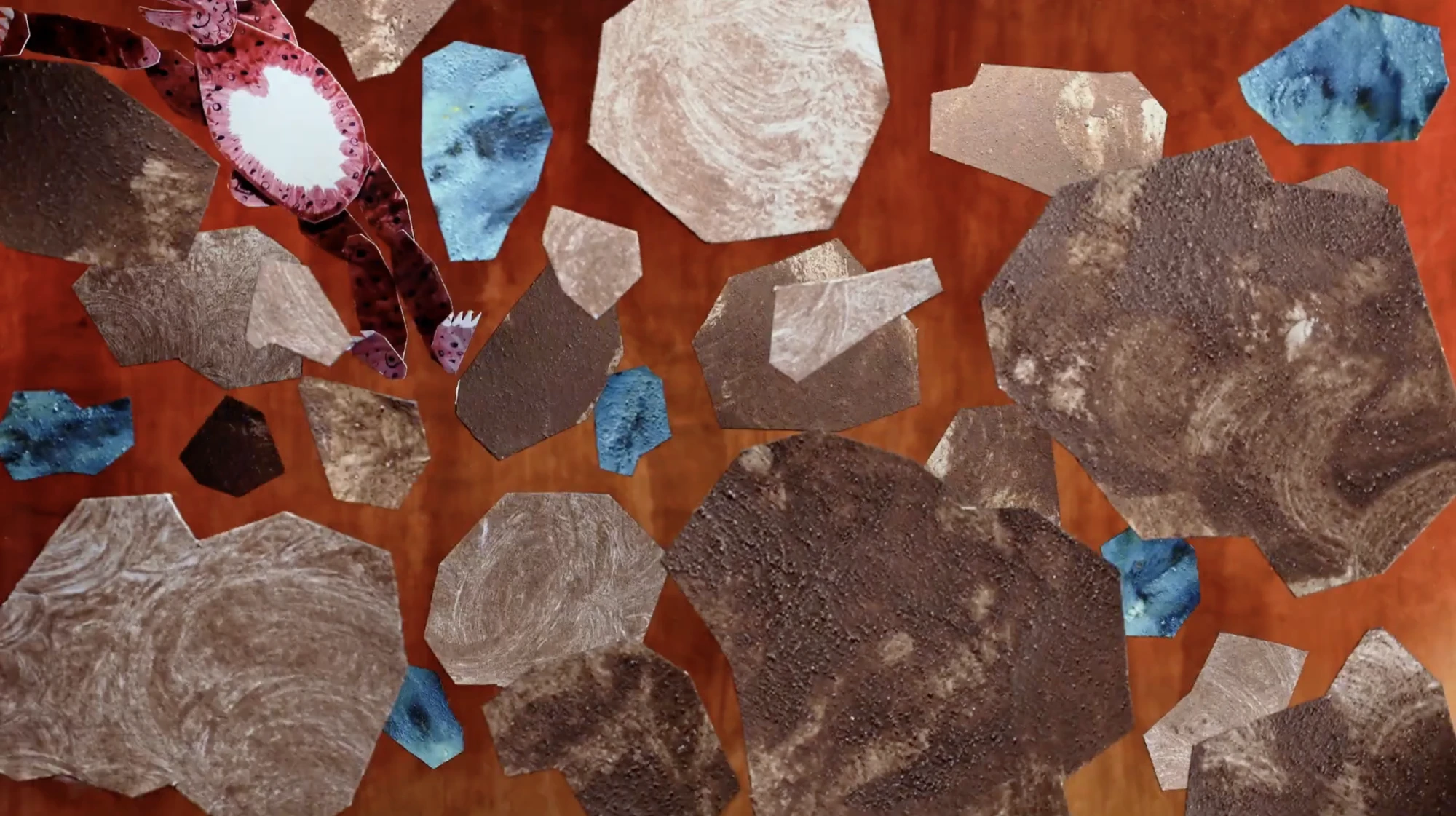
物語の舞台や美術をつくるため、山形の野山に入り、石や木の実、キノコ、木肌の質感、風景の色などを採集した。樹皮の凹凸を土で紙に写し取り、拾った石を砕いて顔料にし、採集物の形や色から、キャラクターや背景を制作した。
一人がひとつの素材を完成させるのではなく、途中までつくったものを別のメンバーへ渡した。受け取った人は、前の人が残した形や色を良し悪しで判断せず、次の制作の条件として引き受ける。それぞれの感覚や判断を他者に委ねることで、異なる人の主観や手の跡が、ひとつの画面のなかに重なっていった。
音も、映像に合う既成の効果音を探すのではなく、採集することから始めた。サウンドディレクションと音楽を角銅真実、録音を大城真が担当。音のない映像を起点に、品川の街を歩き、工場の機械音、鳥の声、川や枯れ葉の音を録音した。道端で拾った木片や金属、ゴム片などを擦り、振り、叩き、採集物を楽器として読み替えながら音を重ねた。
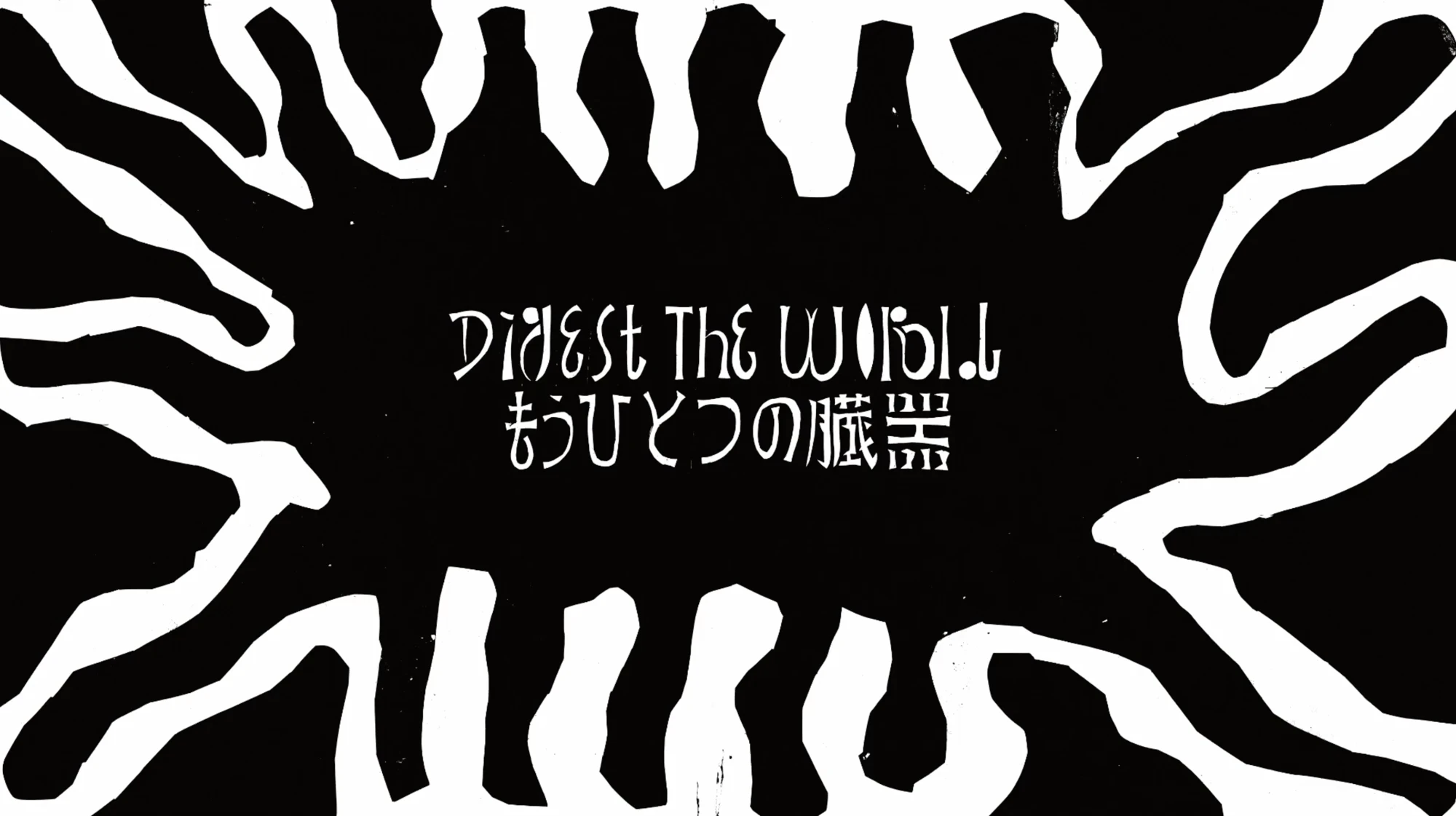
物語によってリサーチ手法を表現するだけでなく、素材を探し、手を動かし、途中の状態を他者へ渡し、予想外のものに応答する制作工程そのものにも、採集的な方法を取り入れた。『Digest The World もうひとつの臓器』は、主観的、非言語的に世界を理解する方法を、制作を通して考え、同じく非言語的なかたちで他者へ伝えるためにつくったアニメーションである。
-
How can subjective, nonverbal research be developed and communicated?
YOKOKU Research Institute, MUESUM, and YOSHIKATSU explored a foraging-based approach to research, taking the ideas of anticipation, autonomy, and collaboration as their starting points.
Here, foraging does not mean efficiently gathering only the information required to reach a predetermined objective or answer. It means responding to personal experiences, unexpected subjects, and fragments whose purpose is not yet known, then repeatedly making, thinking, and talking until new questions and purposes begin to emerge.
Rather than reaching the correct answer as quickly as possible, the research emphasized the process through which each person thinks, reflects, and reconsiders a subject using their own experiences and bodily sensations. It is a subjective form of research that considers not only information received from the outside world, but also what the individual responds to and how it is received.
The development of the research method and the communication of that method were not treated as separate tasks.
The project adopted two principles: thinking through making and exploring nonverbal ways of understanding. Describing these principles solely through language would leave out the bodily sensations and personal experiences involved in the process of understanding. Animation was therefore selected as a medium through which a subjective, nonverbal research method could be considered through making and communicated through an equally nonverbal form.
Animation can convey ideas through narrative, movement, form, color, material, and sound without fixing their meaning to a single answer. It can also leave space for viewers to receive the work through their own experiences and perspectives.
The inhabitants of the film’s world possess an organ that humans do not have. They perceive the world by eating the things around them and digesting them through this “other organ.” What is digested may reappear as the power to fly, a tool, a fruit, or a sign that becomes meaningful to someone else.
Rather than retaining what comes from the outside world as unchanged information, the inhabitants receive it through their bodies, digest it in their own way, transform it, and release it again. What is released may then be received by another and lead to a new event. The story reflects a process of understanding the world through foraging, in which individual interpretations are passed from one person to another.
For the production, we invited moogabooga, an animation team specializing in handmade, lo-fi techniques. Stop-motion animation was selected because it allowed all members, rather than only specialists, to participate and enabled foraging-based processes to be incorporated into the making of the film.
We began by drawing possible scenes and compositions on business-card-sized pieces of paper. The cards were arranged on a table, added, removed, and reordered to construct the narrative and determine the movements of its inhabitants.
To produce the setting and artwork, we entered the mountains and forests of Yamagata and foraged for stones, nuts, mushrooms, the textures of tree bark, and the colors of the landscape. Bark textures were transferred onto paper using soil, foraged stones were crushed into pigments, and characters and backgrounds were developed from the forms and colors of the gathered materials.
No single person completed a material from beginning to end. Instead, works in progress were passed from one member to another. Each recipient accepted the forms and colors left by the previous person, not as something to be judged as right or wrong, but as the conditions for the next stage of making. Through this process of entrusting decisions to others, different sensibilities and traces of different hands accumulated within a single image.
The sound also began with foraging rather than the selection of existing sound effects. Sound direction and music were created by Manami Kakudo, with recording by Makoto Oshiro and Manami Kakudo. Beginning with the silent animation, we walked through Shinagawa and recorded machinery, birds, rivers, and fallen leaves. Pieces of wood, metal, and rubber found in the street were rubbed, swung, and struck, transforming the gathered objects into instruments from which sounds were added to the film.
The foraging-based approach was applied not only to the story but also to the production itself: searching for materials, working by hand, passing unfinished forms to others, and responding to unexpected results.
Digest The World: Another Organ is an animation created to consider a subjective, nonverbal way of understanding the world through the act of making, and to communicate that method to others through an equally nonverbal form.
関連リンク
2023
“食べるように理解する技術”のプロトタイピング
-
株式会社コクヨ ヨコク研究所
-
超短編アニメーション映画 Digest The World もうひとつの臓器
-
企画・制作:
ヨコク研究所(工藤沙希・田中康寛)
MUESUM(多田智美・永江大・羽生千晶)
吉勝制作所(吉田勝信・稲葉鮎子)
-
脚本:多田智美、吉田勝信
アートディレクション・タイトルデザイン:吉田勝信
アニメーション:moogabooga
美術:工藤沙希、田中康寛、多田智美、永江大、羽生千晶、吉田勝信、稲葉鮎子
顔料:田中康寛、多田智美、永江大、羽生千晶、吉田勝信 (協力:Foraged Colors)
サウンドディレクション・音楽:角銅真実
音源:工藤沙希、田中康寛、多田智美、永江大、羽生千晶、吉田勝信、稲葉鮎子、角銅真実、玄宇民、志鎌康平
録音:大城真、角銅真実
採集:工藤沙希、田中康寛、多田智美、永江大、羽生千晶、吉田勝信、稲葉鮎子、髙野真、髙野文子、髙野景、角銅真実、大城真、綱川椎菜、春山えみり
記録撮影:志鎌康平、吉田勝信